It makes absolute sense that there would be a withdrawal syndrome because, as is the case with many other medicines, if you use cannabis every day, the natural receptors by which cannabis works on the body “down-regulate,” or thin out, in response to chronic external stimulation. When the external chemical is withdrawn marijuana addiction after prolonged use, the body is left in the lurch, and forced to rely on natural stores of these chemicals, but it takes time for the natural receptors to grow back to their baseline levels. In the meantime, the brain and the body are hungry for these chemicals, and the result is withdrawal symptoms.
Symptoms of Marijuana Withdrawal
The paper adds to the growing body of research that links cannabis to an increased risk of psychotic disorders, particularly in adolescence. Use of marijuana, particularly higher-potency products, has been linked to a variety of mental health disorders, including schizophrenia, anxiety and depression. Most rehab centers treat marijuana addiction. Certain private therapists may also specialize in treating marijuana dependence.
Breaking Down the Bud: Ohio gears up for legal weed, but addiction experts sound alarm – Cleveland 19 News
Breaking Down the Bud: Ohio gears up for legal weed, but addiction experts sound alarm.
Posted: Tue, 05 Dec 2023 08:00:00 GMT [source]
Early Serious Mental Illness Treatment Locator
Misconceptions about the addictive nature of Marijuana shouldn’t stop the people who need treatment from receiving it. To diagnose cannabis use disorder, a healthcare provider assesses the person’s history. This includes whether they or their immediate family members have a history of substance abuse or mental health issues and also includes their medical history and exposure to environmental stress. These utilization-adjusted rates convey the likelihood that use of a drug will result in PC abuse cases when considering how many people use the drug for either (1) any reason or (2) nonmedical reasons. The utilization-adjusted abuse rates for any past-year use of a substance showed the highest rate for heroin (increasing from 4,038 to 7,201 cases per one million people). The next highest rates were for ketamine, cocaine, and benzodiazepines; all these rates were considerably lower than the rate for heroin.
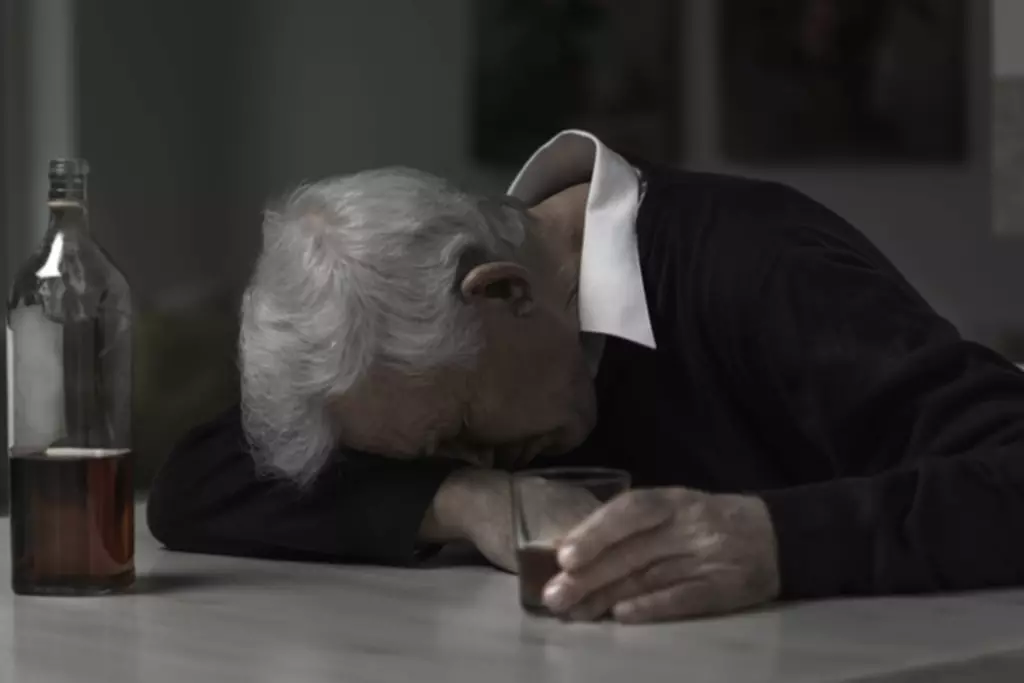
Marijuana use disorder may raise the risk of heart problems
Cannabis use in adolescence has been reported to increase the risk for schizophrenia. Synthetic cannabinoids, compounds manufactured to replicate individual chemicals found in cannabis, are much more potent than cannabis and therefore could be more dangerous. Doctors at Yale Medicine treat patients for cannabis use disorder and are conducting leading research to advance therapies to treat it and to better understand the effects of cannabis on the brain. Marijuana is a drug that goes by many names — pot, weed, grass, dope, ganja, chronic and skunk, to name just a few. However, despite the popular belief that it’s impossible to become addicted to marijuana, marijuana addiction is real.
- However, despite the popular belief that it’s impossible to become addicted to marijuana, marijuana addiction is real.
- This is perhaps a good indication that the definition doesn’t fit the disease.
- As a result, the majority of people do not believe that Marijuana is an addictive substance when in fact, its symptoms are just less intense and present differently than other, “more intense” drugs.
- Moreover, the JAMA study doesn’t distinguish between medical and recreational cannabis, which are actually quite different in their physiological and cognitive effects, as Harvard researcher Dr. Staci Gruber’s work tells us.
- Protective factors can help people avoid substance use disorders.
- Just like with alcohol intake, it’s important to be fully educated on the symptoms, effects, and risks when assessing the consumption of yourself or someone you love.
- Enter your phone number below to receive a free and confidential call from a treatment provider.
- Because other states don’t have that hurdle, they argued, California researchers are losing out on competitive funding — and Californians miss chances to participate in local trials for emerging treatments.
- Research has also found that developing a strong sense of self-efficacy, or a belief that a person can resist using cannabis, is an important predictor of long-term abstinence.
A Los Angeles County initiative called Reaching the 95% aims to engage with more people than the fraction of Angelenos already getting addiction treatment. The new study, like previous research on marijuana and psychosis, does not directly prove that marijuana is causing psychotic disorders. While it’s possible that teens who were prone to develop psychotic disorders could have also been more likely to use cannabis, it’s unlikely because of how striking the association was, Hulvershorn said. Sometimes, quitting marijuana is difficult to do alone.
Virtual mental health care visits: Making them work for you
Treatment can help you remain safe and comfortable while quitting marijuana. The supervision and support of treatment can decrease the likelihood of you relapsing. You may benefit from individualized treatment plans.
Psychological
- The fourth highest percentage was for marijuana and ketamine (46 percent), followed by alcohol (43 percent), zolpidem (40 percent), hydrocodone (37 percent), illicit fentanyl (34 percent), benzodiazepines (32 percent), and cocaine (28 percent).
- In fact, research shows conclusively that cannabis is addictive.
- Plasma concentrations of Δ9-THC decrease quickly after absorption through rapid distribution into tissues and through liver metabolism.
- This is consistent with data showing that 90 percent of individuals who were diagnosed with CUD also reported physical dependence.